
Pavithra Joy October 28, 2025 No Comments

One Story, Every Channel: Ensuring Your Brand Message Stays Consistent

Your customers interact with your brand across dozens of touchpoints in today’s hyper-connected world. They might receive an email in the morning, check their mobile app at lunch, visit your website in the afternoon, and receive a printed statement in the evening mail. Each of these interactions is an opportunity to reinforce your brand story—or accidentally undermine it. The challenge? Keeping your message consistent across all these channels isn’t just difficult; it’s become mission-critical for business success. The High Cost of Inconsistency Imagine receiving a promotional email promising a 20% discount, only to find the website advertising 15% off the same product. Or getting a sleek, modern digital newsletter followed by a generic, outdated printed invoice. These disconnects create confusion, erode trust, and ultimately damage your brand’s credibility. Research shows that consistent brand presentation across all platforms can increase revenue by up to 23%. Yet, many organizations struggle with fragmented systems, siloed departments, and disconnected communication tools that make consistency feel impossible. Marketing sends one message, customer service another, and billing delivers yet another experience entirely. The root of this problem often lies in outdated infrastructure where different departments use different tools, templates, and even brand guidelines. Without a unified approach to customer communications management (CCM), your brand story becomes fractured—and your customers notice. Whitepaper: The AI-Powered CCM Revolution Delivering Hyper-Personalization at Scale This whitepaper reveals how cutting-edge AI technologies are transforming CCM to deliver hyper-personalization at scale, driving deeper customer engagement, operational efficiency, and measurable business growth. Download Whitepaper What Does “One Story, Every Channel” Really Mean? Brand consistency goes far beyond using the same logo and color scheme. It means ensuring that your core message, tone of voice, value proposition, and customer experience remain cohesive whether someone interacts with you via email, SMS, web portal, mobile app, print, or in person. This consistency should extend to: Visual Identity: Logos, colors, fonts, and design elements should be instantly recognizable across every touchpoint. Messaging and Tone: Whether formal or friendly, technical or conversational, your brand voice should remain consistent. Customer Experience: The ease of use, personalization level, and quality of interaction should meet the same high standards regardless of channel. Data and Personalization: Customer information should flow seamlessly across channels, ensuring relevant, timely, and personalized communications. Regulatory Compliance: Legal disclaimers, privacy notices, and compliance requirements must be uniformly applied across all customer-facing materials. The CCM Solution: Unifying Your Communications This is where Customer Communications Management (CCM) platforms become invaluable. CCM solutions provide a centralized hub for creating, managing, and delivering all customer communications across every channel from a single source of truth. Rather than managing separate systems for email, print, mobile, and web communications, CCM platforms enable organizations to design once and deploy everywhere. This approach ensures that any updates to branding, messaging, or compliance requirements are automatically reflected across all channels simultaneously. Quadient: Powering Intelligent Customer Experiences Quadient has emerged as a leader in the CCM space, offering a comprehensive platform that transforms how organizations communicate with their customers. Their Inspire suite provides an end-to-end solution for creating, managing, and delivering personalized communications across all channels. What sets Quadient apart is its focus on customer experience transformation. The platform combines powerful document composition capabilities with advanced personalization engines, enabling organizations to move beyond basic mail merge to truly intelligent, context-aware communications. Whether you’re sending a simple notification or a complex multi-page policy document, Quadient ensures every communication reflects your brand standards while meeting individual customer needs. Quadient’s cloud-based architecture means organizations can scale their communications infrastructure without massive IT investments. The platform’s intuitive design tools empower business users to create and modify templates without coding knowledge, while maintaining strict brand governance controls. This balance between flexibility and control is essential for maintaining consistency at scale. Moreover, Quadient’s analytics capabilities provide visibility into how customers engage with communications across channels, enabling continuous optimization of both content and delivery strategies. OpenText: Enterprise-Scale Communications Management OpenText represents another powerhouse in the CCM landscape, particularly for large enterprises managing complex, high-volume communications requirements. Their Exstream platform (now part of the OpenText Experience Cloud) delivers robust capabilities for orchestrating customer communications across the entire enterprise. OpenText excels in handling the most demanding scenarios—think millions of monthly statements, policy documents, and customer notifications that must be perfectly accurate, compliant, and on-brand every time. The platform’s advanced composition engine can handle intricate business rules, complex data integration, and sophisticated document logic while maintaining consistency across all output channels. What makes OpenText particularly compelling is its enterprise content management integration. Organizations can leverage a unified repository for all customer communication assets, templates, and content fragments, ensuring that everyone works from the same approved materials. This eliminates the risk of outdated templates or unauthorized brand variations slipping through. OpenText’s omnichannel delivery capabilities mean a customer might receive their insurance policy via email, view it through a web portal, and request a printed copy—all generated from the same template with guaranteed consistency. The platform’s intelligent routing ensures each communication reaches customers through their preferred channels while maintaining the same look, feel, and message. Building Your Consistency Strategy Implementing a CCM platform is just the beginning. True consistency requires a strategic approach: Establish Clear Brand Guidelines: Document your visual standards, messaging frameworks, and voice guidelines in detail. Create a Centralized Asset Library: Store all approved templates, images, and content blocks in a single, governed repository. Implement Workflow Approvals: Ensure that communications go through appropriate review processes before reaching customers. Train Your Teams: Ensure everyone understands not just how to use the tools, but why consistency matters. Monitor and Measure: Regularly audit your communications across channels to identify and fix inconsistencies. Iterate and Improve: Use customer feedback and engagement data to refine your approach continuously. The Competitive Advantage of Consistency In a marketplace where customers have endless options, consistency builds trust. When your brand shows up the same way every time, customers know what to expect. They feel confident in your reliability, professionalism, and attention to detail. This trust translates
The Power of Intelligent Document Automation with OpenText

The modern enterprise deals with a relentless influx of documents—both digital and paper-based. From invoices and contracts to customer forms and email attachments, the sheer scale and complexity of documentation can overwhelm even the best-run organizations. Traditionally, managing these documents has been a labor-intensive process, fraught with the risk of errors and delays. However, advancements in intelligent document processing (IDP), powered by platforms like OpenText, are reshaping how organizations handle their vital information. Innovatix Technology Partners, a leader in digital transformation services, harnesses these cutting-edge solutions to unlock new efficiencies and business value for clients. Understanding Intelligent Document Processing (IDP) Intelligent document processing refers to the suite of technologies that automate the capture, extraction, classification, and validation of data from documents—regardless of format or source. Central to this is the integration of artificial intelligence, machine learning, and OCR data capture technologies. According to Gartner, IDP technology “extends far beyond traditional document capture, leveraging AI to understand and process complex and unstructured content”. Key Components of IDP The Need for Intelligent Document Automation The case for intelligent document processing solutions is compelling. Consider these findings: These statistics highlight how document processing automation isn’t just a nice-to-have; it’s a competitive necessity. OpenText: A Leader in Intelligent Document Processing OpenText stands out among intelligent document processing companies for its comprehensive platform and proven results across industries. What Sets OpenText Apart? OpenText’s prowess in AI document processing has earned it consistent recognition in the Intelligent Document Processing Gartner Magic Quadrant and other analyst reports. Innovatix + OpenText: Delivering Real-World Business Impact Real-World Use Cases Let’s look at how this technology addresses key industry challenges: The Innovatix Advantage As a trusted implementation partner, Innovatix Technology Partners ensures: How Intelligent Document Automation Pays Off 1. Increased Productivity Automated workflows allow your team to focus on high-value tasks rather than repetitive, manual data entry. 2. Improved Data Quality With AI-powered validation and exception handling, errors are minimized, leading to better business decisions. 3. Compliance & Audit Readiness Every document is tracked and managed securely, supporting regulatory reporting and audits. 4. Scalability As your business grows, OpenText’s intelligent document processing solutions can scale effortlessly to meet increasing demands. Key Considerations When Choosing Your IDP Partner Conclusion With the market for IDP solutions projected to exceed $5 billion by 2026, investing in intelligent document automation is both a strategic and financial win. Innovatix Technology Partners, leveraging OpenText’s leading-edge platform, helps organizations transform document chaos into business clarity—delivering productivity, compliance, and a competitive edge. Contact us today to learn more about intelligent document processing.

From Legacy to Cloud: OpenText’s Path to Modern CCM

Customer Communications Management (CCM) has long been a cornerstone of successful enterprises. Legacy CCM systems—once the backbone of high-volume document generation and transactional communications—are now struggling to meet the exponential expectations of today’s digital-first customers. As we move into the experience economy, where personalization, omnichannel delivery, and compliance are mission-critical, transitioning from legacy systems to modern, cloud-based CCM is now a necessity, not a luxury. At the forefront of this transformation is OpenText, a global leader in information management solutions, guiding organizations on their journey from legacy infrastructure to agile, secure, and future-proof cloud CCM. In this blog, we will unpack OpenText’s strategic vision, explore the business and technical drivers behind the shift, detail OpenText’s cloud CCM capabilities, showcase best practices for migration, and offer a roadmap for organizations seeking to modernize and future-proof their customer experience. What is Legacy CCM? Legacy CCM refers to the traditional, on-premises software platforms that produce structured communications such as statements, bills, policy documents, and letters. These platforms were designed for high-volume print output, often siloed within specific departments (finance, claims, customer service), and are deeply embedded in critical business processes. Pain Points of Legacy CCM 1. Siloed Operations and Limited Integration Legacy CCM systems are often isolated across departments, making it difficult to obtain a 360-degree view of customer interactions or manage communications consistently across the enterprise. 2. Complexity and Technical Debt Custom code, aging infrastructure, and skills shortages among legacy system administrators increase technical debt, operational risk, and maintenance costs. 3. Compliance and Security Risks Legacy systems can struggle to adapt to evolving compliance regulations (GDPR, HIPAA), putting organizations at risk of fines and reputational damage. 4. Inability to Meet Modern CX Demands Customers expect real-time, interactive, and personalized communication via their channel of choice—including email, SMS, mobile apps, chat, and social media. Legacy CCM systems are ill-equipped to deliver such dynamic, omnichannel experiences. 5. Cost and Scalability Constraints Hardware limitations, on-premises licensing, and manual workflows lead to high operational costs and poor scalability, especially when business needs fluctuate. 6. End-of-Life and Vendor Support Many legacy CCM vendors have announced end-of-life for aging products, forcing organizations to confront difficult choices about upgrade paths and future support. The Imperative for Modernization Why Modernize Now? Signs It’s Time to Modernize According to OpenText, you should consider CCM modernization if: The Shift: From CCM to CXM A critical aspect of modernization is the evolution from Customer Communications Management (CCM) to Customer Experience Management (CXM). This shift expands the focus from transactional, document-centric communications to holistic, personalized customer journeys. Key Differences OpenText’s Vision OpenText’s Experience Cloud is purpose-built to support this transformation, providing a unified platform for omnichannel CCM and CXM with deep analytics, automation, and AI-powered personalization. OpenText’s Cloud-Native CCM Solutions OpenText™ Experience Cloud is a cloud-native CCM platform that unifies content, communications, data, and analytics to deliver personalized, compliant customer experiences across channels. It supports digital transformation by centralizing engagement strategies while offering flexible scaling. As a SaaS solution, it runs on public, private, or hybrid clouds—enabling smooth, disruption-free transitions. Key Features and Capabilities The Business Case: Benefits of OpenText Cloud CCM Adopting OpenText’s cloud-native Customer Communications Management (CCM) platform delivers strategic value across operational efficiency, customer engagement, and regulatory compliance. Below are the key business benefits that make a strong case for transitioning to OpenText Experience Cloud: The OpenText Cloud CCM Migration Roadmap OpenText’s Accelerated Modernization Program (AMP) OpenText’s Accelerated Modernization Program (AMP) provides a structured, proven framework for modernizing from legacy Customer Communications Management (CCM) systems to the cloud. This phased approach ensures minimal disruption, faster value realization, and long-term transformation aligned with business goals. Phase 1: Assess and Deploy Phase 2: Modernize, Adopt, and Manage Phase 3: Decommission Legacy Why a Phased Approach? A “rip and replace” strategy is rarely feasible for large organizations with deeply embedded CCM. The phased approach ensures low risk, business continuity, and iterative value delivery. Value Mapping and Needs Assessment OpenText recommends a thorough value mapping exercise, including: Overcoming Migration Challenges Common Obstacles OpenText’s Solutions Real-World Success Stories 1. Insurance Industry Transformation A global life insurer migrated from a fragmented, on-premises CCM to OpenText Experience Cloud. By consolidating communications and enabling omnichannel journeys, the company achieved: 2. Banking Sector Modernization A major global bank replaced legacy document generation systems with cloud-native OpenText Communications. The results: 3. Healthcare Compliance Enhancement A healthcare provider adopted OpenText cloud CCM to ensure HIPAA compliance, automate patient communications, and integrate with EHR systems, resulting in: The Future: AI, Automation, and the Experience Economy OpenText is continuously expanding its cloud CCM capabilities. Recent enhancements include: The rise of the experience economy means organizations must not only communicate, but orchestrate meaningful, context-aware engagement at every touchpoint. OpenText’s cloud CCM provides the scale, agility, and intelligence needed to thrive in this new reality. Best Practices for a Successful CCM Cloud Transformation Conclusion: The Time to Act is Now The transition from legacy CCM to a modern, cloud-native platform is more than a technology upgrade—it is a strategic imperative in the digital age. As customer expectations soar and regulatory demands intensify, only cloud-based, intelligent CCM can deliver the agility, compliance, and experiences today’s enterprises need. OpenText, with its proven Experience Cloud suite and deep migration expertise, is the trusted partner for organizations seeking to modernize at scale. By embracing OpenText’s path, enterprises can unlock faster innovation, superior customer engagement, and long-term competitive advantage. Are you ready to modernize your CCM and future-proof your customer experience? Connect with OpenText experts at Innovatix Technology Partners to discover your tailored path from legacy to cloud—and join the leaders who are redefining customer engagement for the future.

The ROI of Modern CCM: Measuring Quadient’s Impact on Business Efficiency

Businesses continually seek ways to enhance operational efficiency, reduce costs, and enhance customer engagement. Modern Customer Communication Management (CCM) solutions have become pivotal tools in achieving these goals. Among the leaders in this space, Quadient stands out with its comprehensive CCM platform designed to streamline communications across channels while driving measurable business value. This blog examines the Return on Investment (ROI) of modern Customer Communication Management (CCM) systems, with a focus on how Quadient’s solutions enhance business efficiency. We will explore the tangible benefits, key performance indicators (KPIs), and strategic advantages that businesses gain when implementing Quadient CCM. Understanding Modern CCM Customer Communication Management (CCM) refers to the technology and processes that help organizations create, manage, and deliver personalized communications to customers across multiple channels — including print, email, SMS, web, and mobile apps. Modern CCM solutions extend beyond traditional document generation to enable dynamic, data-driven, and omnichannel communication strategies that enhance both customer experience and operational workflows. Key features of modern CCM include centralized content and template management, automated document generation and delivery, dynamic personalization based on customer data, compliance and regulatory controls, integration with enterprise systems (such as CRM, ERP, and billing), and analytics for communication performance. Why Measure ROI in CCM? Implementing CCM solutions can involve significant investment in software, integration, and change management. To justify this expenditure, organizations must demonstrate quantifiable business value. Measuring ROI helps organizations validate technology investments, identify efficiency gains and cost savings, optimize communication strategies based on data, improve customer satisfaction and retention, and align communications with business goals. Quadient CCM: Driving Business Efficiency Quadient is a global leader providing a modern CCM platform designed to empower businesses with intelligent, automated communication capabilities. Here are the core ways Quadient CCM impacts business efficiency and ROI: 1. Automation and Productivity Gains Quadient automates the creation and distribution of customer documents, including invoices, statements, policies, and personalized marketing messages. This reduces manual effort and errors, enabling faster turnaround times. Automation also frees up staff to focus on higher-value tasks. The impact is evident in a reduction of document processing time by up to 70%, significant savings in printing and mailing costs through increased digital delivery, and lower error rates, resulting in fewer customer complaints and rework. 2. Enhanced Customer Engagement and Retention By enabling highly personalized, consistent, and relevant communications across channels, Quadient CCM helps businesses improve customer experience and loyalty. Personalization drives higher engagement rates and reduces churn. Businesses often experience increases in customer response rates by up to 40%, higher cross-sell and upsell opportunities through targeted messaging, and improved Net Promoter Scores (NPS) and customer satisfaction metrics after deploying Quadient CCM. 3. Compliance and Risk Mitigation Quadient CCM features built-in compliance controls, versioning, and audit trails, enabling companies to meet stringent regulatory requirements. This reduces the risk of penalties and reputational damage. The benefits include avoiding costly regulatory fines, completing compliance audits more quickly with accurate documentation, and implementing enhanced data privacy controls that are consistent with regulations such as GDPR and HIPAA. 4. Integration and Scalability Quadient’s platform integrates seamlessly with existing enterprise systems, enabling data-driven communications aligned with business processes. Its scalable architecture supports growing volumes and new communication channels without disruption. This means faster time-to-market for new campaigns and document types, reduced IT overhead for integration and maintenance, and a future-proof communication strategy adaptable to evolving business needs. Quantifying the ROI: Key Performance Indicators (KPIs) To effectively measure the ROI of Quadient CCM, businesses should focus on several key performance indicators: Organizations implementing Quadient CCM frequently report realizing ROI within months through cost savings, improved efficiency, and increased customer revenue. Case Study Highlight Consider a leading financial services firm that implemented Quadient CCM to overhaul its customer statement process. The results were striking: a 60% reduction in document processing time, a 50% increase in electronic statement adoption, a 30% reduction in printing and postage costs, and a 20% improvement in customer satisfaction scores. The firm achieved a positive ROI within nine months, demonstrating how Quadient CCM transforms communication workflows to deliver measurable business value. Conclusion The ROI of modern CCM solutions, such as Quadient’s, extends far beyond mere cost savings. By automating processes, enhancing customer engagement, ensuring compliance, and enabling agile communication strategies, Quadient empowers organizations to boost overall business efficiency and competitive advantage. For businesses looking to digitally transform customer communications digitally, measuring the ROI of CCM implementations is essential for validating the investment and guiding continuous improvement efforts. With a proven impact on multiple key performance indicators (KPIs), Quadient CCM stands as a strategic enabler of business success in the digital age. In conclusion, while Quadient’s CCM platform offers unrivalled capabilities to transform customer communications and drive business efficiency, the true potential of this solution is unlocked when implemented by the right partner. Innovatix Technology Partners stands out as Quadient’s best implementation partner, combining deep technical expertise, proven industry experience, and a customer-centric approach to ensure seamless deployment and maximum ROI. With Innovatix’s tailored strategies, agile delivery, and ongoing support, organizations can confidently navigate their digital transformation journey, maximizing the benefits of Quadient CCM to achieve operational excellence and sustained competitive advantage. Partnering with Innovatix Technology Partners means turning the promise of modern CCM into measurable, lasting business success. Contact us today!

Choosing the Right Fit: What to Look for in a Customer Communication Management Platform

Modernizing Your Customer Communication Management (CCM) Platform is no longer a luxury but a necessity for any business aiming to stay competitive and relevant. As customer expectations evolve, businesses must adopt advanced CCM solutions that not only streamline communication but also personalize interactions, enhance customer experience, and ensure compliance with regulatory standards. However, with a plethora of CCM platforms available, choosing the right fit can be overwhelming. In this blog, we will explore the critical considerations and Features of a Customer Communication Management Platform that organizations should prioritize. Additionally, we will delve into how modern communications architectures are reshaping the landscape of business and professional communication, and why partnering with communication consulting firms can be a game-changer in your digital transformation journey. Why Modernize Your CCM Platform? Recent research by Gartner indicates that by 2025, 70% of companies will have implemented modern Customer Communication Management (CCM) platforms, up from just 35% in 2022. This rapid adoption is driven by the need to enhance customer engagement through omnichannel communication, real-time interaction, and personalized experiences. Modernizing your CCM platform enables businesses to: Core Features to Look for in a CCM Platform When evaluating CCM platforms, it is essential to focus on the features that will directly impact your ability to connect and engage with customers effectively. Here are some key features of a Customer Communication Management Platform that are critical for business success: 1. Omnichannel Delivery Today’s customers expect to receive communications on their preferred channels seamlessly. A robust CCM platform must support omnichannel delivery, ensuring that messages are consistent regardless of the channel through which they arrive, including email, SMS, mobile apps, print, and social media. 2. Personalization and Dynamic Content Customization is key to effective communication. The platform should enable the dynamic generation of content based on customer profiles, behaviors, and preferences. This increases engagement rates and builds stronger customer relationships. 3. Automation and Workflow Integration Automation capabilities reduce manual intervention, decreasing errors and increasing efficiency. Integration with existing business systems such as CRM, ERP, and billing platforms is critical for streamlined communication flows. 4. Compliance and Security With increasing regulatory scrutiny, your CCM platform must ensure all communications comply with relevant laws and protect sensitive customer data through robust encryption and access controls. 5. Analytics and Reporting Insightful analytics enable companies to measure communication effectiveness, customer engagement, and ROI. Real-time dashboards and reporting tools are invaluable for optimizing communication strategies. Embracing Modern Communications Architectures The shift towards modern communications architectures marks a significant transformation in how businesses approach communication technology. These architectures are characterized by cloud-native capabilities, microservices, API-driven integrations, and scalability — all of which empower businesses to innovate rapidly and respond to evolving customer needs. According to McKinsey, companies that have adopted modern communication architectures experience a 20-30% increase in operational efficiency and up to 40% higher customer satisfaction. This is because these architectures support agile deployments, real-time data processing, and seamless integration with emerging communication channels such as chatbots and voice assistants. The Role of Communication Consulting Firms Navigating the complex landscape of CCM modernization can be challenging. This is where communication consulting firms play a pivotal role, bringing deep expertise in communication technologies, regulatory compliance, and customer experience strategies. Partnering with a communication consulting firm enables businesses to: Communicating with Businesses: Why CCM Matters Effective communication with businesses is just as important as communicating with consumers. B2B communications require clarity, precision, and often customization based on complex workflows. A sophisticated CCM platform ensures that communications, such as invoices, contracts, notifications, and support messages, are delivered accurately and professionally, thereby strengthening business relationships. A study by Forrester found that 68% of B2B buyers expect personalized communications tailored to their industry and business needs. Leveraging CCM platforms that support such capabilities is vital for winning and retaining business clients. Conclusion In summary, selecting the right Customer Communication Management (CCM) platform requires a careful evaluation of your business needs, customer expectations, and technological capabilities. By modernizing your CCM Platform and embracing modern communication architectures, organizations can significantly enhance their communication effectiveness. Incorporating essential Features of a Customer Communication Management Platform and engaging with experienced communication consulting firms will ensure your business excels in business and professional communication, whether you are communicating with companies or individual customers. Investing in the right CCM platform today is an investment in your company’s future competitiveness and customer loyalty. At Innovatix Technology Partners, we specialize in delivering comprehensive Customer Communication Management (CCM) solutions through industry-leading platforms, such as Quadient and OpenText, designed to help businesses modernize their communication workflows seamlessly. Our expertise ensures that your organization harnesses the full potential of modern communications architectures to deliver personalized, compliant, and omnichannel communications that enhance customer engagement and operational efficiency. As highlighted in this blog, choosing the right CCM platform is critical, and Innovatix’s tailored services empower you to transform your business and professional communication strategies with confidence. Contact us today to explore how we can partner with you to optimize your CCM platform and elevate your customer communications.

Driving Healthcare Engagement: Quadient’s Role in Patient Communication

In today’s rapidly evolving healthcare landscape, patient engagement is critical for success. Engaged patients are more likely to follow treatment plans and contribute to improved health outcomes and overall satisfaction with their care. According to a recent study by McKinsey, effective patient engagement can lead to a 14% reduction in hospital readmission rates, significantly lowering healthcare costs. Furthermore, the National Institute for Health Care Management found that engaged patients have a 26% higher adherence rate to treatment plans, underscoring the vital role of patient engagement in healthcare. Understanding Patient Engagement Patient engagement refers to the strategies and actions that encourage patients to take an active role in their healthcare. This includes educating patients about their conditions, involving them in decision-making, and maintaining open lines of communication. Engaged patients can ask questions, seek clarification, and proactively manage their health. According to the Advisory Board, 88% of healthcare executives believe patient engagement is key to improving patient outcomes. However, many communication gaps in healthcare can hinder this engagement. A study by the World Health Organization highlighted that poor communication could lead to significant health risks, resulting in an estimated $1.7 billion in malpractice costs due to miscommunication. The Role of Quadient in Patient Communication Quadient specializes in enhancing patient communication through innovative patient engagement solutions designed to bridge communication gaps. By leveraging technology, Quadient enhances how healthcare providers interact with patients, ensuring that information is conveyed clearly and efficiently. Key Features of Quadient’s Solutions The Importance of Patient Engagement Strategies To increase patient engagement in healthcare, organizations can implement several effective strategies: Clinical Trial Patient Engagement Clinical trial patient engagement is particularly critical, as marginalized communities are often underrepresented in research. Engaging patients throughout the trial ensures they understand the importance of their roles and the potential impacts of their contributions. According to a study from the Tufts Center for the Study of Drug Development, only about 3% of eligible patients participate in clinical trials, mainly due to poor communication and understanding of the trial process. Quadient’s solutions help streamline communication, making it easier for patients to stay informed and engaged throughout the clinical trial process. Challenges to Patient Engagement Despite recognizing its importance, many healthcare organizations struggle with patient engagement. Some common challenges include: Conclusion Incorporating effective patient engagement strategies via tailored communication tools like those offered by Quadient can improve patient experiences and outcomes. By addressing communication gaps in healthcare, organizations can drive meaningful engagement and foster lasting relationships with patients. In summary, the future of healthcare hinges on the ability to effectively engage patients. By leveraging technology and adopting comprehensive patient engagement solutions, healthcare providers can ensure a more informed, satisfied, and healthier patient population. At Innovatix Technology Partners, we understand the crucial role of effective patient communication in achieving optimal healthcare outcomes. Our expertise in Quadient, OpenText, and Customer Communication Management (CCM) services empowers healthcare organizations to enhance patient engagement by streamlining communication processes and delivering personalized, timely information. By leveraging our innovative solutions, healthcare providers can bridge communication gaps, foster patient relationships, and ultimately contribute to better health outcomes. Let us partner with you to transform your patient engagement strategies and ensure your patients receive the care and support they deserve. Contact us today to explore how Innovatix Technology Partners can help you drive healthcare engagement effectively.

Aligning Company and Customer Expectations: A Guide to CCM

Businesses need to align their goals and their customers’ expectations while adapting to the latest digital technology environment. As customer preferences evolve, effective customer communication management (CCM) has become a vital component of companies’ strategies for enhancing customer engagement and satisfaction. This blog examines the role of CCM in bridging the gap between companies and their customers, exploring various customer communication management solutions and the tools available on the market. Understanding Customer Communication Management (CCM) Customer communication management refers to the strategies and tools employed by companies to oversee their customer interactions across various communication channels. By ensuring the brand message is clear and the information flow is efficient, organizations can manage individualized, pertinent, and timely customer interactions. According to Gartner research reports, companies that efficiently employ CCM practices experience as much as a 30% increase in customer satisfaction, demonstrating that excellent communication remains the foundation of success. The Importance of Aligning Expectations Aligning expectations between a company and its customers is not merely a goal; it is essential for long-term success. When customers feel heard, understood, and valued, their loyalty and advocacy grow. Moreover, companies that succeed in this alignment tend to enjoy higher retention rates. McKinsey’s research indicates that companies excelling in customer engagement can expect a revenue increase of 10-20% compared to their competitors. CCM in Bridging the Gap Customer Engagement Customer engagement is at the heart of effective CCM. By leveraging various communication channels, including email, social media, live chat, and mobile apps, businesses can provide a seamless experience for their customers. These channels not only facilitate two-way communication but also enable companies to gather valuable insights into customer preferences and behaviors. A recent study by Forrester found that organizations that prioritize customer engagement experience a 25% increase in customer loyalty. Customer Service Communication Channels The rise of digital communication has transformed how companies interact with their customers. The effective deployment of customer service communication channels is vital for success. Businesses must integrate various platforms to deliver a seamless and cohesive experience. According to a survey conducted by Salesforce, 70% of customers expect companies to understand their needs and expectations, underscoring the importance of leveraging CCM tools to foster more effective communication. Exploring Customer Communication Management Solutions As the demand for effective customer communication management increases, various solutions have emerged in the market. Below are some noteworthy customer communication management solutions that can help organizations bridge the gap between their offerings and customer expectations: CCM Tools in the Market A variety of CCM tools are currently available to help businesses streamline their communication efforts. Some notable options include: According to a report by MarketsandMarkets, the global customer communication management solutions market is projected to grow from $946 million in 2020 to $1.7 billion by 2025, representing a compound annual growth rate (CAGR) of 12.5%. This growth indicates the increasing recognition of the importance of effective customer communication strategies. Conclusion Aligning business and customer requirements with the help of effective customer communication management is no longer something to consider; it is a necessity in today’s competitive environment. Companies should enhance client communication and simplify it across various channels using CCM tools, which would ultimately lead to increased client satisfaction and success by fostering strong customer relationships. Innovatix Technology Partners is a trusted implementation partner of OpenText, Quadient, and Salesforce, providing organizations with the expertise needed to deploy these robust CCM solutions successfully. Innovatix Technology Partners is dedicated to engaging customers by providing the best service, making it the ideal company for businesses seeking to optimize their communication strategies. So, what are you waiting for? Contact us today!

Why Personalization is the Heart of Effective CCM?

During the digital-first world, customers expect brands to recognize their individual preferences and behaviors. They no longer respond to generic, one-size-fits-all communication; instead, they seek tailored experiences that make them feel understood and valued. For businesses, meeting these expectations is no longer optional—it’s a necessity. Personalization has become the cornerstone of effective Customer Communications Management (CCM). It is not just a trend but a fundamental strategy for fostering deeper customer relationships, enhancing engagement, and improving retention. By integrating personalization into CCM, businesses can transform routine customer interactions into meaningful touchpoints that drive loyalty and satisfaction. This article delves into the critical role of personalization in modern CCM practices. We will explore how tailored communication enhances customer experience, facilitates product interactions, and drives business growth. Additionally, we will examine the benefits of leveraging a unified CCM solution to streamline communication, ensuring consistency and efficiency across all customer touchpoints. Whether you are looking to improve customer engagement or optimize your communication strategy, understanding the power of personalization in CCM is key to staying ahead in today’s competitive landscape. The Rising Importance of Personalization in CCM As customer expectations continue to evolve, personalization has transitioned from a competitive advantage to a business necessity. Companies that fail to deliver personalized experiences risk losing customer trust and engagement. According to Gartner, personalization is now a fundamental requirement for modern business operations rather than just a differentiating factor. Their research reveals that 80% of consumers are more likely to purchase from brands that provide personalized experiences. This demand for tailored communication underscores the shift from generic interactions to highly individualized engagements that resonate with each customer. Similarly, a McKinsey study found that companies implementing advanced personalization strategies can increase their revenue by 5–15%. Beyond financial gains, these businesses also see improved customer satisfaction and loyalty, as consumers feel valued and understood. Within CCM, personalization goes beyond addressing customers by name—it involves crafting relevant content, customizing correspondence, and ensuring every communication aligns with individual needs and preferences. Personalized CCM enhances the relevance of transactional documents, statements, and promotional materials, turning them into high-engagement touchpoints. By strengthening customer relationships through personalized interactions, businesses not only enhance brand loyalty but also create a more seamless and effective communication strategy that drives long-term success. Investing in personalization is no longer an option; it is a strategic imperative for businesses looking to thrive in a customer-centric market. The Role of a Single CCM Solution in Personalization Customers may experience poor communication when they have to interact with multiple channels and departments simultaneously. This confusing scenario is where a unified CCM solution comes in handy. The central platform lets companies deliver better communications through unified data analysis derived from various sources. An implementation of CCM technology enables organizations to achieve the following: For example, a bank could utilize a single CCM solution to create personalized bank statements together with promotion emails that present specific loan offers for its customers. By utilizing data banks can create individualized communication through which they can offer specific investment propositions tailored to transaction history and individualized loan offers tailored to each customer. In industries such as healthcare, retail, and telecommunications, a centralized CCM system ensures customers receive relevant updates, personalized offers, and contextual interactions based on their unique needs. The ability to unify communication efforts across departments and channels leads to a more cohesive customer journey, fostering long-term loyalty and business success. Personalized Interactions: Building Customer Loyalty One core component of personalization within the context of customer communication management (CCM) is the provision of personalized interactions which goes beyond simply representing the customer’s name. It involves providing the customer with contextual information that demonstrates substantial understanding of their background and their transaction with the firm. Effective personalized interactions leverage customer data to provide timely and contextual engagement. This includes: The impact of personalized communication on customer loyalty is substantial. A study by Accenture found that 91% of consumers are more likely to shop with brands that recognize, remember, and provide relevant recommendations. This highlights the importance of developing a personal relationship with customers at every stage of the engagement process. When businesses use personalization effectively, they enhance customer trust, increase engagement, and foster long-term loyalty. Personalized interactions make customers feel valued and understood, ultimately leading to stronger brand affinity and repeat business. Investing in a robust CCM strategy that prioritizes personalization is key to building a customer-centric brand in today’s highly competitive marketplace. Leveraging Customer Behavior Data to Personalize Communications As noted, the speech analysis and understanding of customer intents aids in personalizing their communications through messages that are more specific to an individual’s behavior. A behavioural analysis that examines purchase records combined with website activities and communication channel interaction levels helps achieve this. An eCommerce platform serves as an illustration through Amazon. It is a behemoth in analyzing its customer’s behavioural pattern and targeting them for specific products, which helps in overall customer satisfaction and repeat purchases. The same approach can be adopted by companies via their CCM Program. It can be done in three simple steps. These steps are critical in a CCM program as they ensure that communications greatly reflect the customer’s expectations. Personalization powered by behavioral insights ensures that every customer interaction is meaningful, relevant, and impactful. Personalized Product Recommendations: Driving Engagement and Revenue Personalized communications are most effective when they include product suggestions tailored to a customer’s unique interests, preferences, and behavior. In today’s competitive digital marketplace, generic recommendations often fail to capture customer attention, whereas highly targeted suggestions create meaningful interactions that encourage engagement and drive sales. Product recommendations form the backbone of effective Customer Communications Management (CCM), as they transform customer interactions from simple transactions into value-driven experiences. When businesses integrate intelligent recommendation systems into their communication strategy, they not only enhance customer satisfaction but also increase conversion rates and revenue. The Power of Personalized Recommendations Research from Epsilon highlights that 80% of consumers are more likely to make a purchase from brands that offer personalized experiences. This statistic

Pavithra Joy February 20, 2025 No Comments

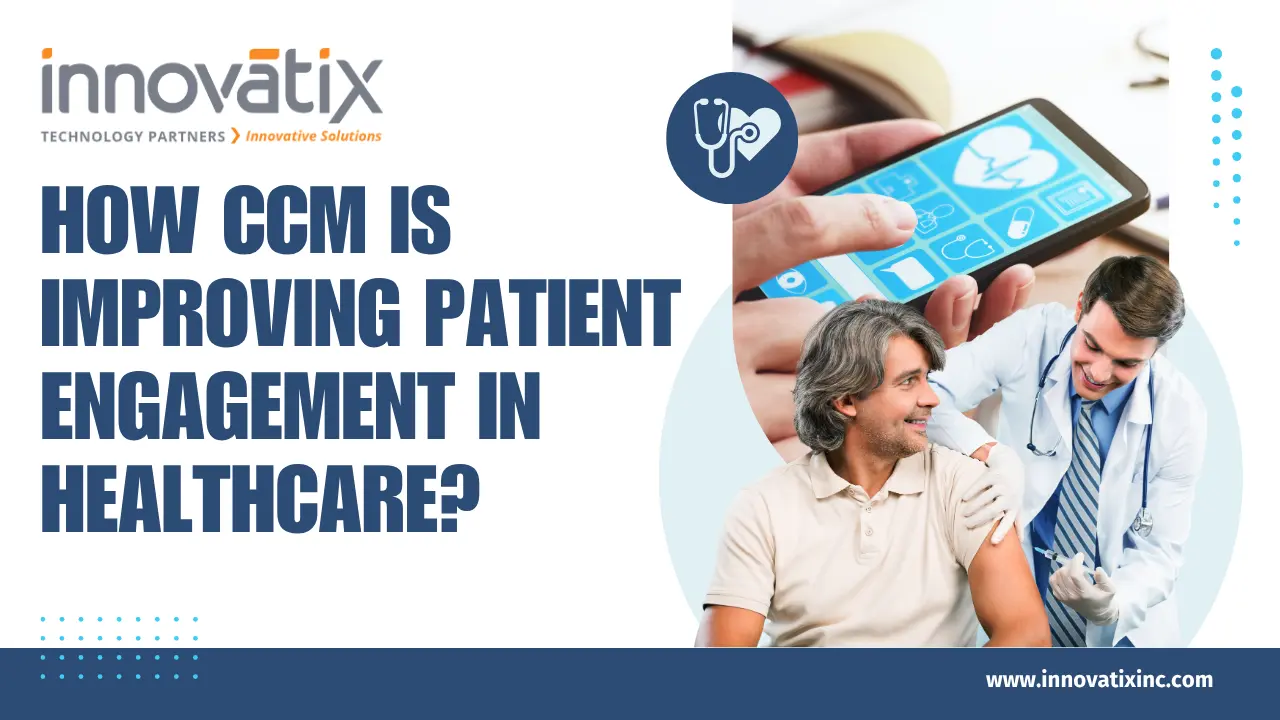
How CCM is Improving Patient Engagement in Healthcare?

The healthcare industry is undergoing a significant transformation driven by technological advancements and the increasing demand for enhanced patient satisfaction and engagement. In today’s evolving landscape, patient-centered care is no longer just an aspiration but a crucial business necessity. To meet these growing expectations, healthcare organizations are adopting Customer Communication Management (CCM) solutions as a strategic approach to elevate patient interactions and optimize healthcare delivery. CCM solutions streamline communication between healthcare providers and patients, ensuring that essential information is conveyed efficiently and effectively. By leveraging these technologies, healthcare organizations can enhance engagement, improve health outcomes, and foster stronger relationships with their patients. From personalized messaging and real-time updates to automated reminders and secure digital correspondence, CCM empowers both patients and providers by eliminating communication barriers. In this blog, we delve into how CCM is reshaping patient interactions, the tangible benefits it offers to healthcare providers, and the critical importance of selecting the right CCM partner to maximize its potential. The Growing Need for Improved Patient Engagement Patient engagement is a cornerstone of effective healthcare, yet many organizations struggle to provide the level of communication patients expect. A Gartner study found that 70% of patients reported dissatisfaction due to inadequate provider communication. Traditional, one-size-fits-all communication methods are no longer sufficient in today’s fast-paced, digitally connected world. Patients now demand personalized, real-time interactions through accessible and easy-to-understand channels that align with their preferences. This is where CCM tools play a transformative role. These solutions empower healthcare providers to deliver customized, multichannel communication tailored to individual patient needs. Whether through SMS, email, mobile apps, or patient portals, CCM tools enhance the quality of interactions by ensuring timely and relevant information reaches patients when they need it most. From appointment reminders and follow-up care instructions to billing statements and medication adherence alerts, CCM solutions streamline communication, reduce missed appointments, and improve overall patient satisfaction. By adopting these advanced tools, healthcare providers can foster stronger patient relationships, drive engagement, and ultimately enhance health outcomes. How CCM is Transforming Healthcare Communications 1. Personalized Communication Healthcare applications of CCM utilize customized exchanges that unite healthcare workers with their patient clientele. The system enables health providers to transmit messages that address individual patient requirements. A diabetic patient under CCM receives customized dietary recommendations together with insulin refill notations and appointment scheduling alerts which are accessible through email or text messages and application notifications. Research by McKinsey shows that when health organizations customize their communication various patient engagement levels rise by 20% which enhances patient health results. Through data analytic methods healthcare organizations obtain knowledge about patient preferences which provides the basis to adapt their communication techniques. 2. Multichannel Communication Patients today engage through multiple platforms—email, SMS, mobile apps, and even social media. CCM tools enable CCM health providers to employ consistent and multichannel communication strategies that are accessible and user-friendly. For example, a patient can receive appointment reminders through SMS and obtains pre-visit checklists via app interface and obtains post-visit surveys through email that function as a cohesive system. The system improves patient accessibility and satisfaction levels and decreases missed appointments frequency to 30% of cases as Accenture reported in their study. 3. Improved Patient Outcomes The quality of care improves when healthcare providers establish effective communication methods with their patients. When patients have good understanding of their health condition, they show better adherence to medical plans and follow prevention guidelines and schedule follow-up appointments. Reliable CCM partnership with healthcare organizations enables workflow automation to produce straightforward educational content for patients. For example: These modes of communication not only enable patients but also eliminate errors and prevent re-admissions, saving healthcare organizations money. 4. Efficient Management of Healthcare Information Healthcare organizations face one of their main challenges in dealing with immense patient datasets. CCM tools make data management easier by transforming diverse patient information into useful communication messages. For instance, the automatic notification features of CCM systems help healthcare providers remind patients about billing-related matters, insurance status changes and time-dependent messages. Organizational systems cut down administrative requirements while continuously keeping patients up to date about both their health and financial matters. A successful implementation of advanced CCM tools allows healthcare providers to achieve an 85% rate of cost and time savings according to Deloitte. Choosing the Right CCM Partner Successful CCM implementation requires more than just technology—it demands a strategic partnership with a trusted provider that understands the complexities of healthcare communication. The right CCM partner offers tailored solutions that align with an organization’s needs, ensuring adaptability, compliance, and long-term success. Innovatix Technology Partners: The Ideal CCM Partner for Healthcare Organizations Innovatix is a proven leader in CCM solutions, helping healthcare organizations revolutionize their communication systems. With deep expertise in developing customized, secure, and scalable CCM platforms, Innovatix empowers providers to elevate patient engagement and operational efficiency. Our solutions seamlessly integrate with Electronic Health Records (EHR) systems, ensuring a smooth transition to enhanced patient communication without disrupting existing workflows. By choosing Innovatix as your CCM partner, your healthcare organization will benefit from: Enhance your patient communication strategy today by partnering with Innovatix. Contact us to learn more about how our CCM technology can drive success in your healthcare organization. The Tangible Benefits of CCM in Healthcare Healthcare organizations that implement Customer Communication Management (CCM) solutions experience significant, measurable improvements in both patient engagement and operational efficiency. By streamlining communication processes, CCM tools enhance the patient experience, reduce administrative burdens, and contribute to better health outcomes. Key Benefits of CCM in Healthcare Conclusion Healthcare operations highly depend on CCM for success. Healthcare organizations now transform patient organization communication by improving outcomes while delivering a seamless experience to patients. Healthcare digital transformation initiatives will make CCM tools essential because of their universal adoption potential. Success in CCM management requires picking a trustworthy partner who develops tailored approachable solutions. When healthcare organizations implement CCM, they provide satisfied patients who become loyal members of their care network. The best way to enhance your patient communication is by teaming up with Innovatix Technology Partners, which provides trusted CCM expertise. Contact us today to learn more about how CCM

©2026 Innovatix Technology Partners, a Macrosoft, Inc. Company. All Rights Reserved.